

Energy Transition
Energy Transition
We arrive in the UK, where the AMOC gives its best contribution, and where a new age is born on the ashes of fossil fuels.
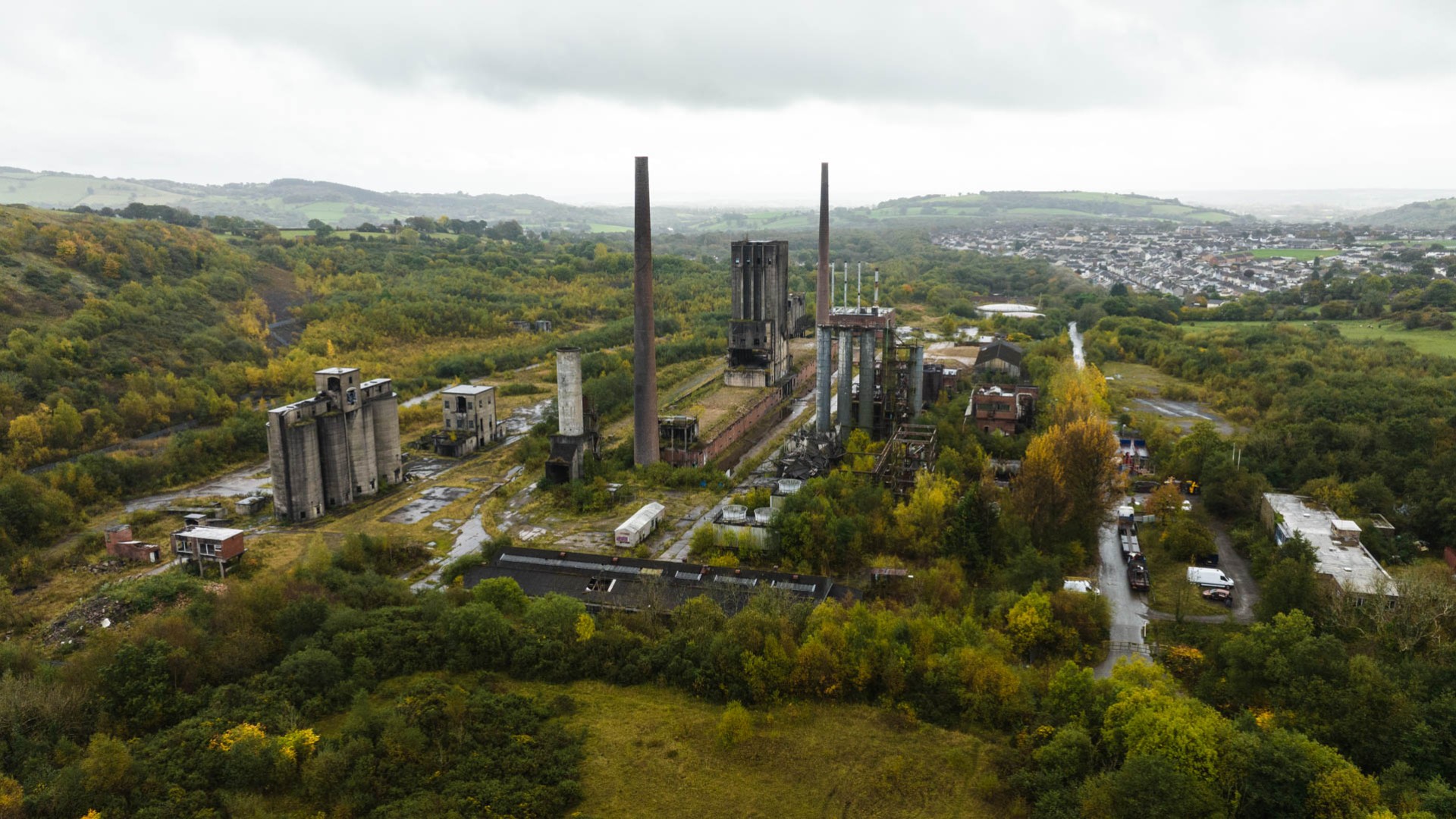
In Wales, the scars left by centuries of coal production are being healed by the unexpected (and still largely unknown) work of fungi; they are turning coal spoils, the old deposits of waste, into natural habitats. The speed of renaturalisation is unprecedented in Europe, and it is happening in some of the most polluted sites of the continent. It is a miracle.
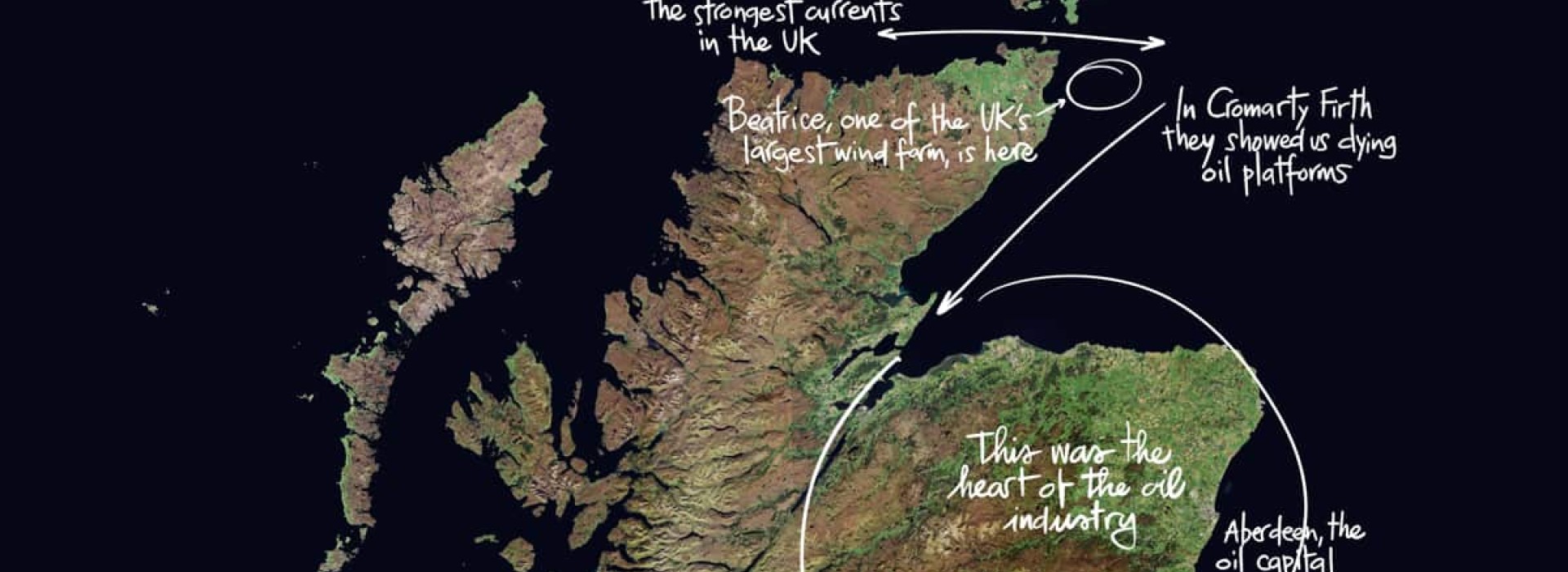
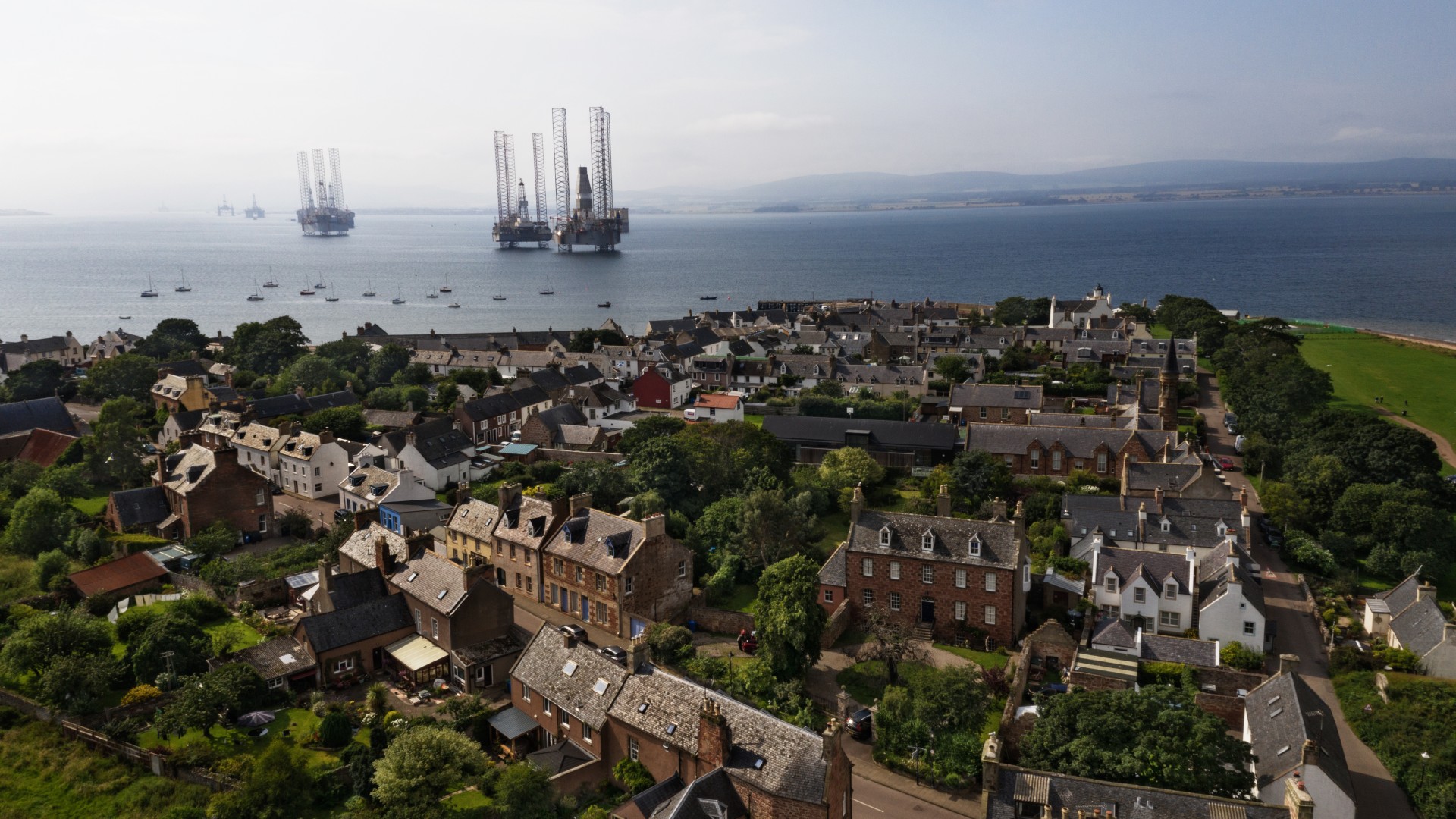
Scotland is instead abandoning the North Sea oil that was crucial for its development, and it is becoming the open air renewables laboratory of Europe. Immense offshore wind fields, experimental marine renewables, farmers creating local communities and students arriving from all over the world into the most remote Scottish islands are only a part of this extraordinary shift. Two extraordinary tales of change and resilience, that could help mitigate the effects of an AMOC collapse, and prepare Europe for what is to come.
Wales
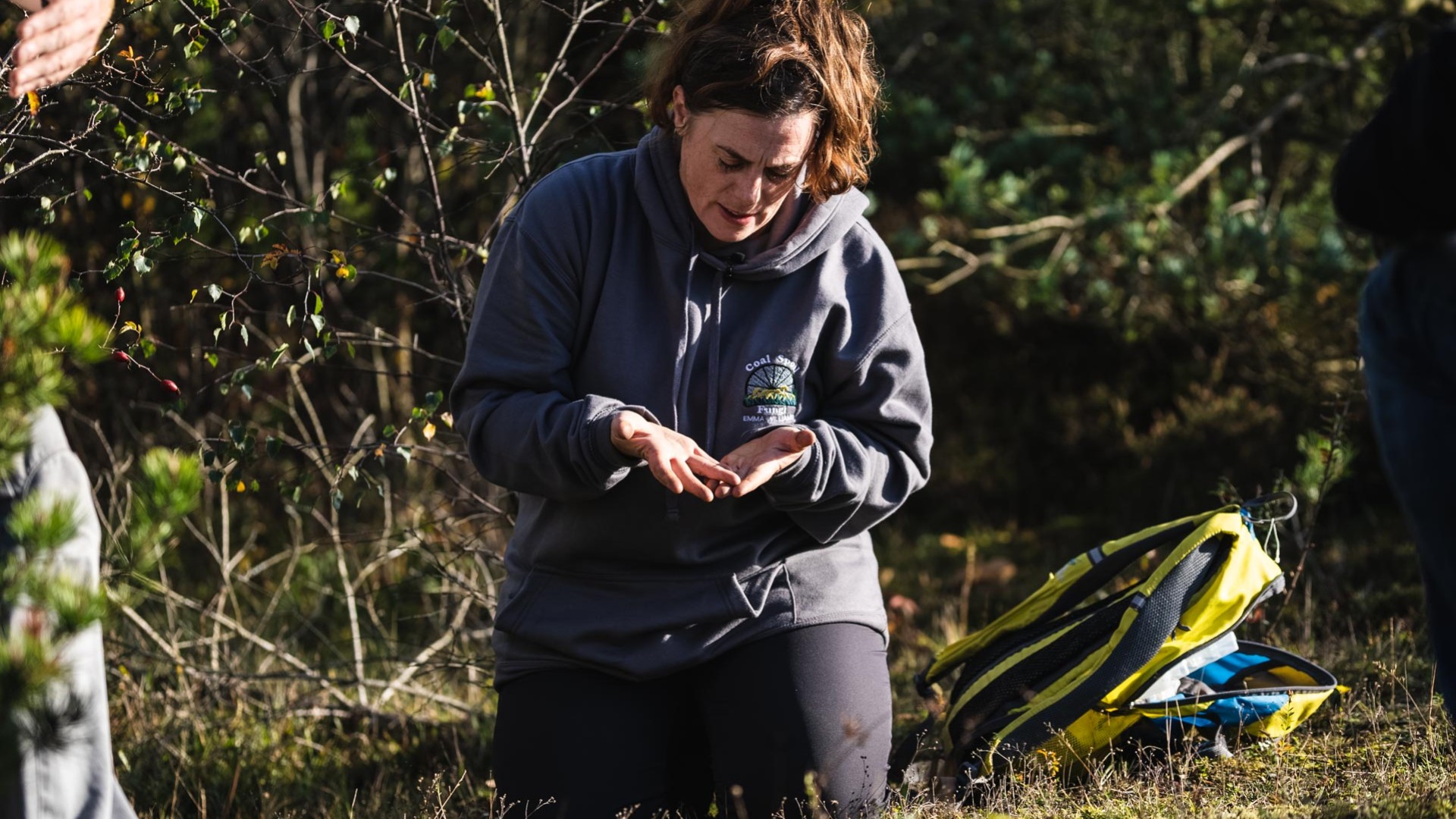
When it arrived in the Rhondda, coal was king, Emma Williams tells us as soon as we arrive. She is the mycologist who discovered the renaturalisation of coal spoils, and despite being young she knows exactly how the landscape looked like in the past, and how it has changed: fields became forests, black hills became green and flowery. All of this thanks to fungi. It is an ongoing process, which however needs to be studied and safeguarded, as most of these sites have no protection and the push for development is great. It is a job that has become her life, as well as that of other researchers and also former miners: a community effort to protect the rebirth of Welsh nature.
Scotland
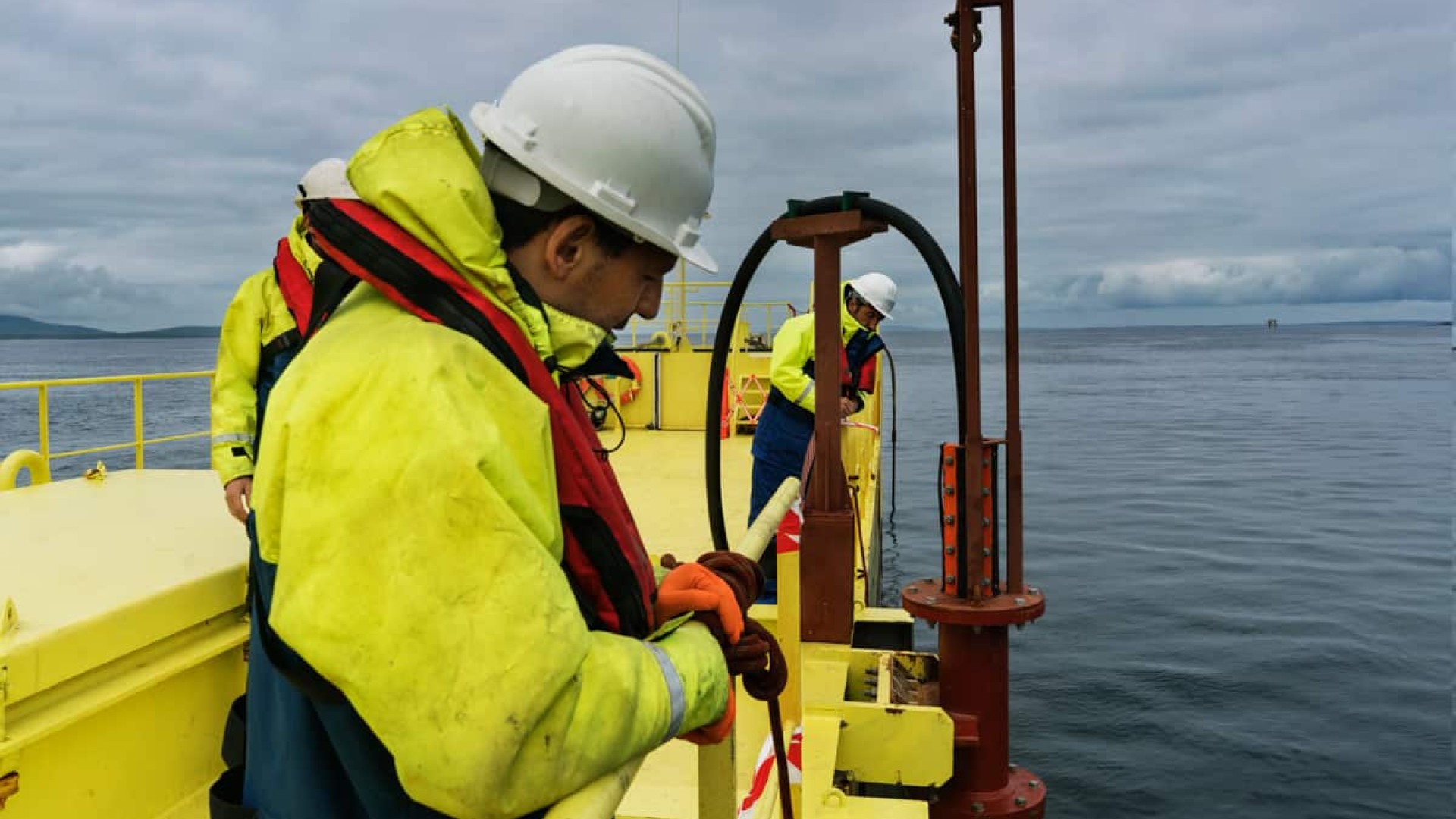
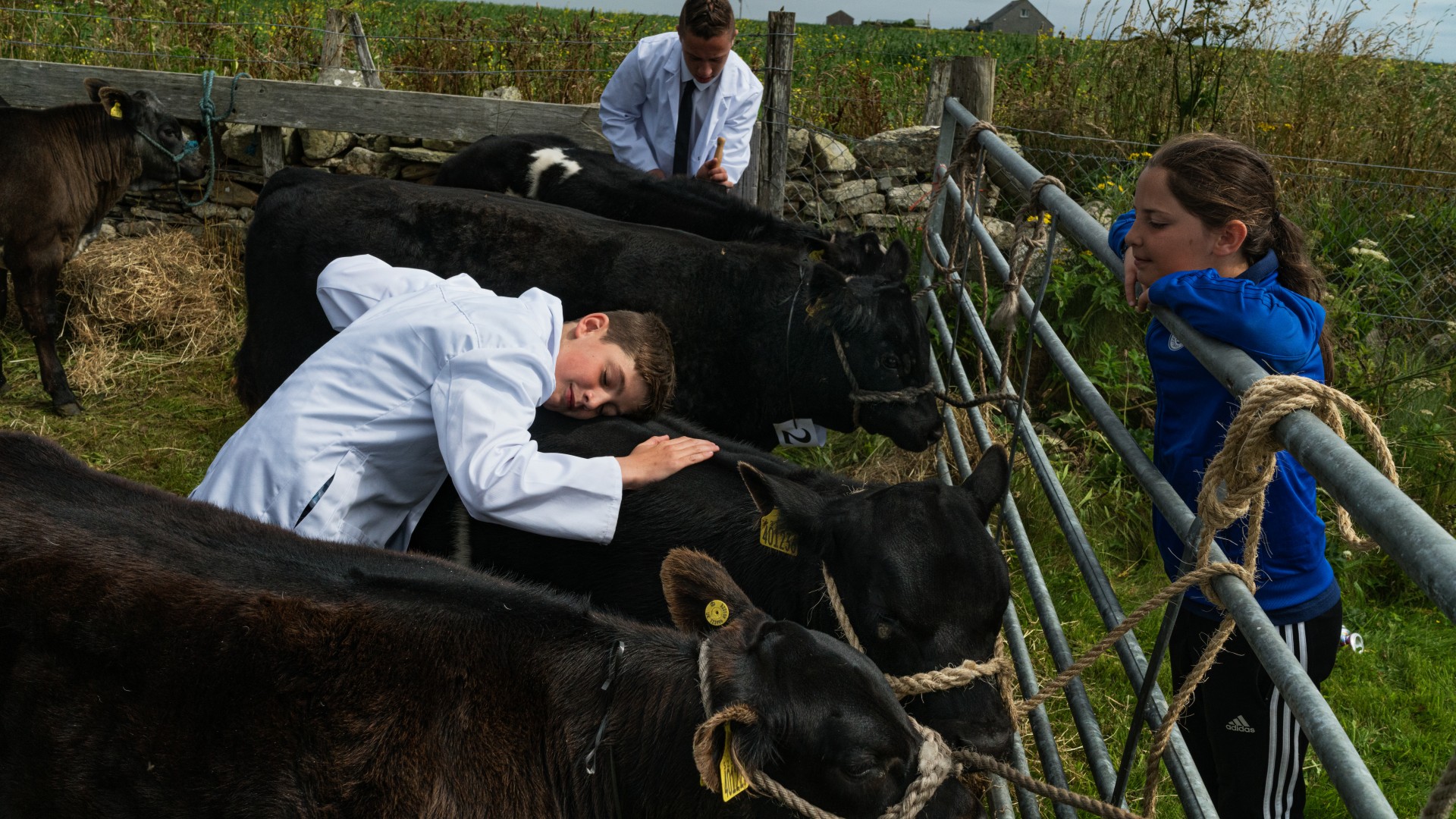
We travel from Edinburgh to the most remote islands of Orkney, in a journey where everything tells us of the extraordinary shift of the Scottish economy and society. While activists are fighting against fracking around Grangemouth refinery, hundreds of oil platforms are leaving the North Sea to be dismantled. In the meantime, European, American, African students studying at the International Centre for Island Technology meet with the local farmers that founded the first energy community of the world in Sanday, Orkney’s northmost island, while the EMEC, the European Marine Energy Center, tests some among the most promising maritime renewable technologies. Even when drinking tea with British grannies, it feels like we are already in Europe’s future.