The Gulf Stream is one of the key elements that makes Europe’s climate special, and our continent as well.
The
Exhibition.
And yet, it is dramaticaly changing: this could be our climate tipping point, the moment of irreversible change that will transform Europe into a colder, infertile version of our continent. This may be our last chance to act, but it is not too late – and Europeans will not go down without a fight.
The Gulf Stream is at its slowest point in the last 1,600 years, and recent studies show that the its possible collapse could happen as early as in the next 50 years – a dramatic change from earlier estimates, pointing to a 700-1000 years time horizon. It is not just the Gulf Stream though, but the wider system to which it belongs, the so called Amoc (the Atlantic Meridional Overturning Circulation): while Europe will be the most affected, the collapse will seriously affect North America, the Amazon, and Africa as well. This is not just in the future; to some extent, the Amoc slowdown is already showing his effects.
This is not without a solution. Swift and effective climate action could stop the currents shutdown, and adaptation measures could limit the damages and let us coexist with a changed climate. Indeed, despite the increasingly complicated global situation, the growing climate denial, and the slowdown in the energy transition, Europe and the Europeans are still fighting, adapting and transforming to cope with the climate crisis and the great transformations of our times.
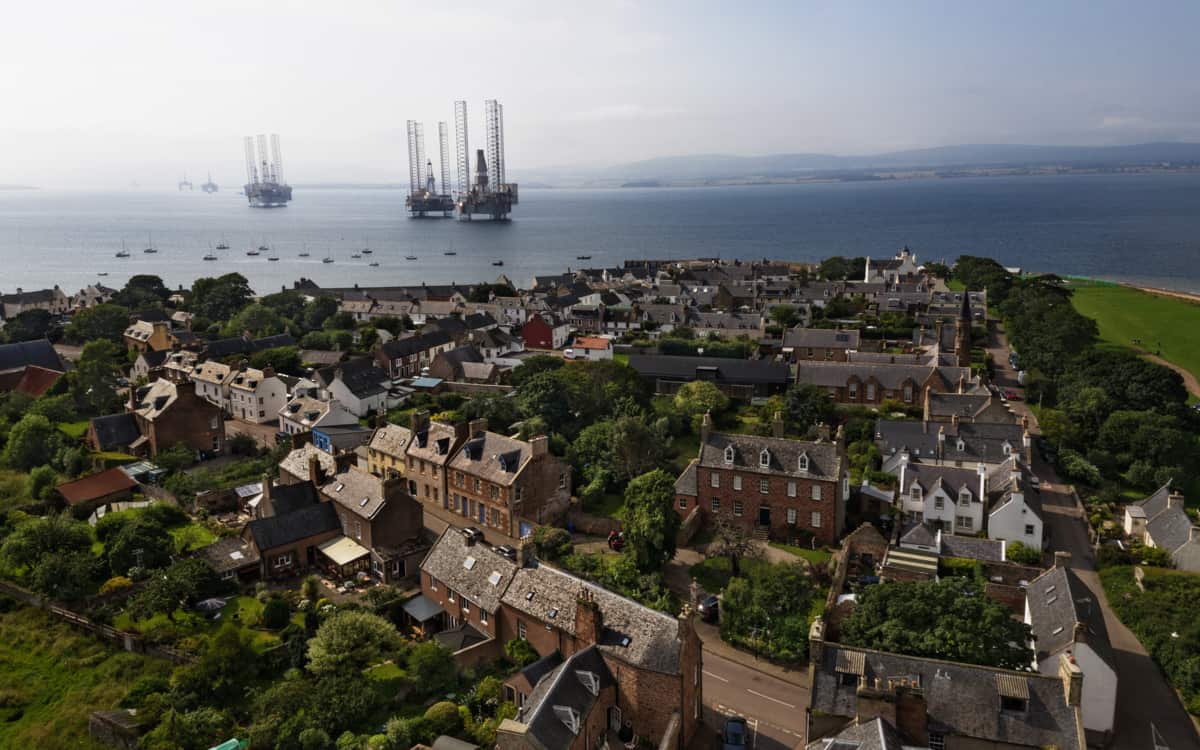
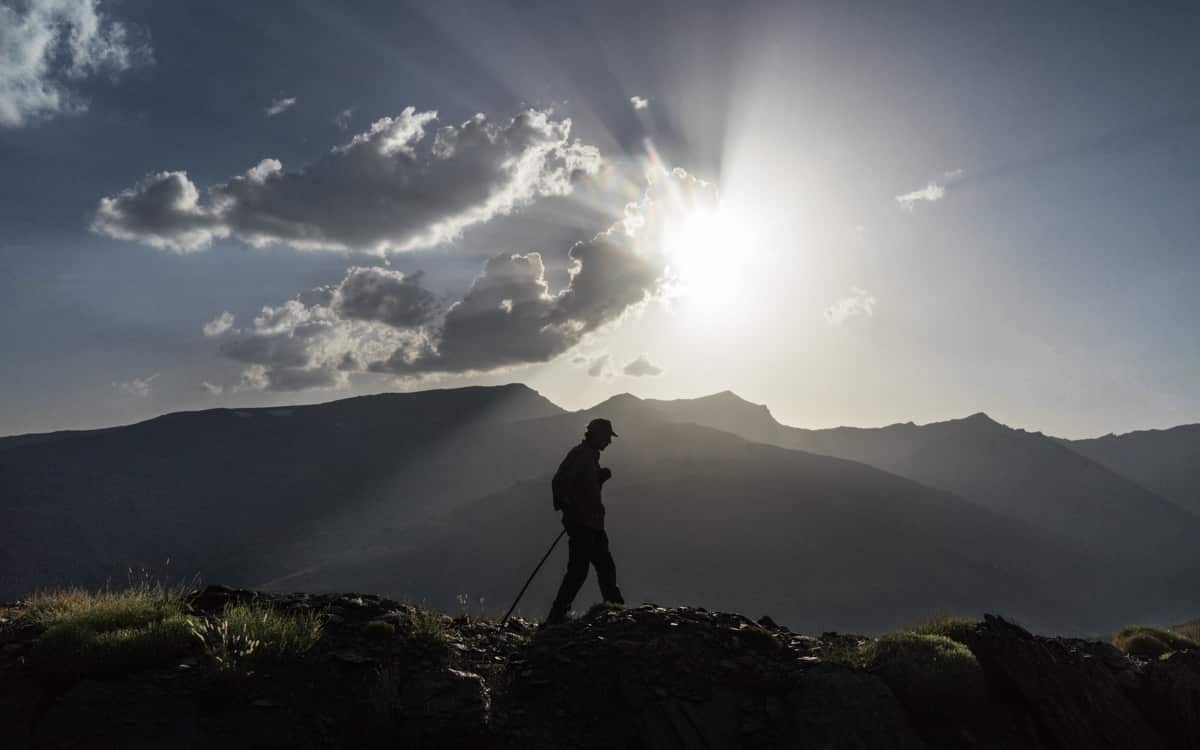
The Exhibition
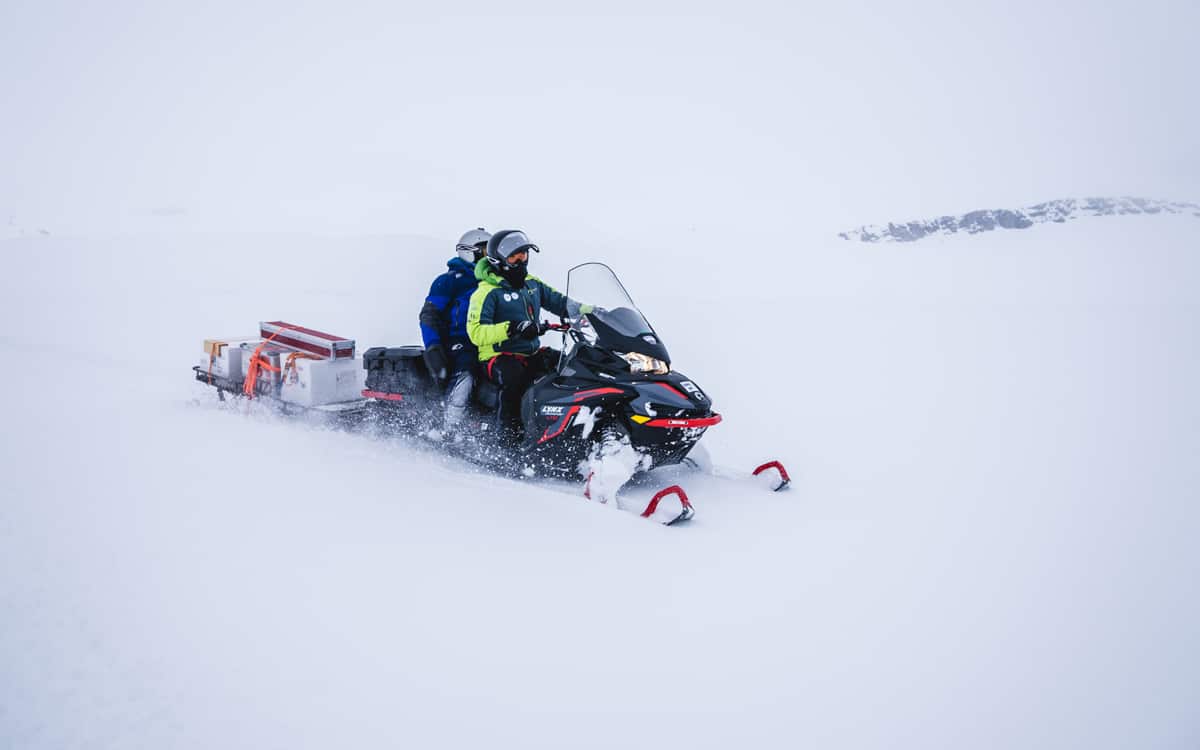
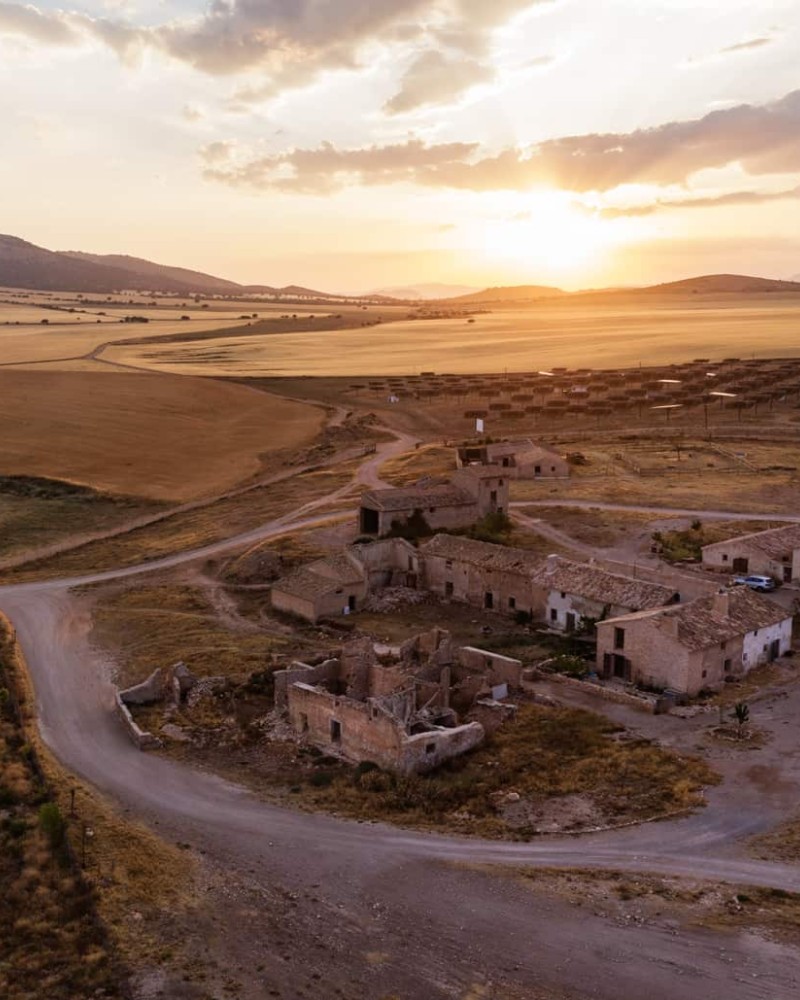
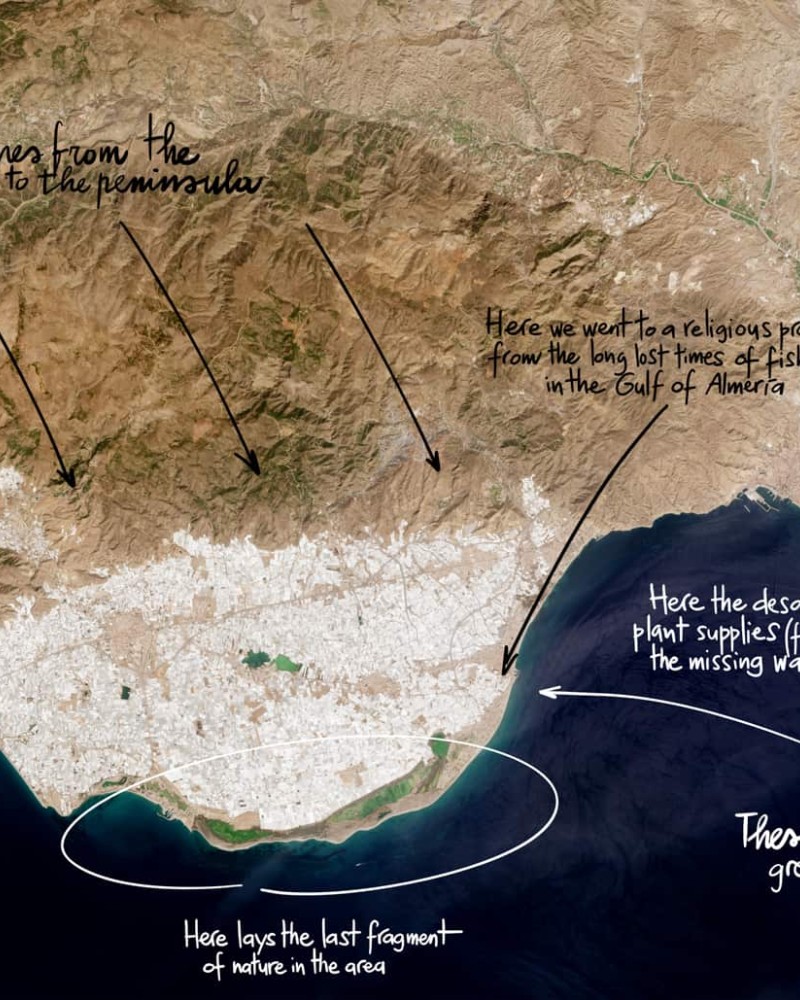
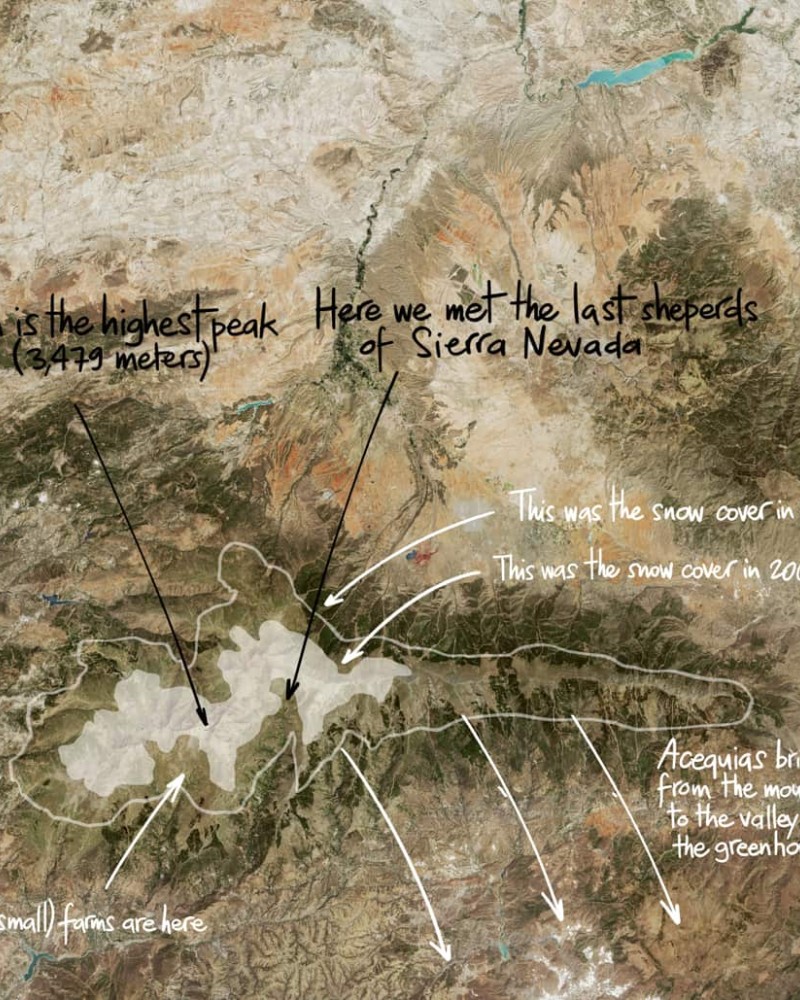
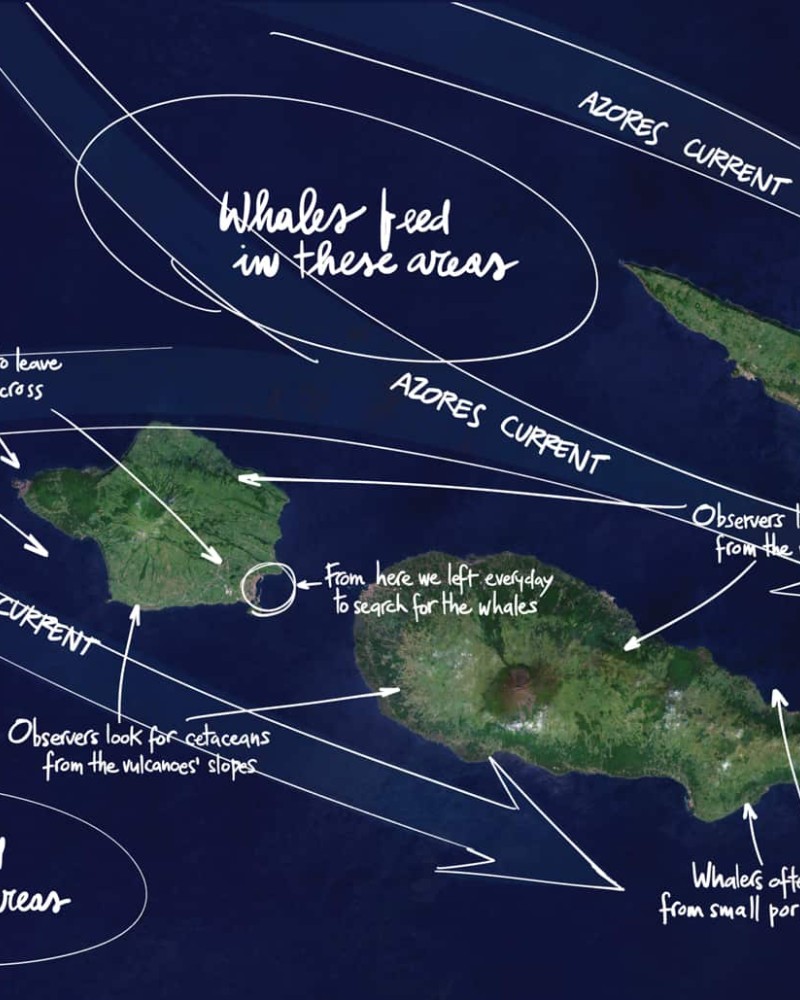
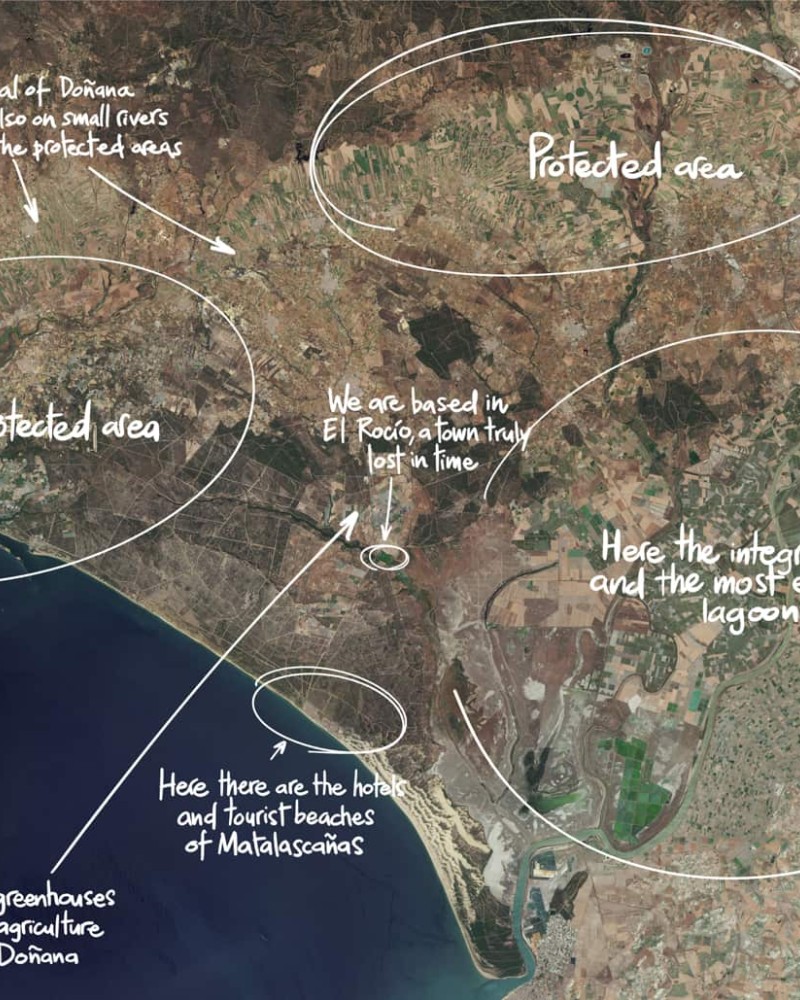
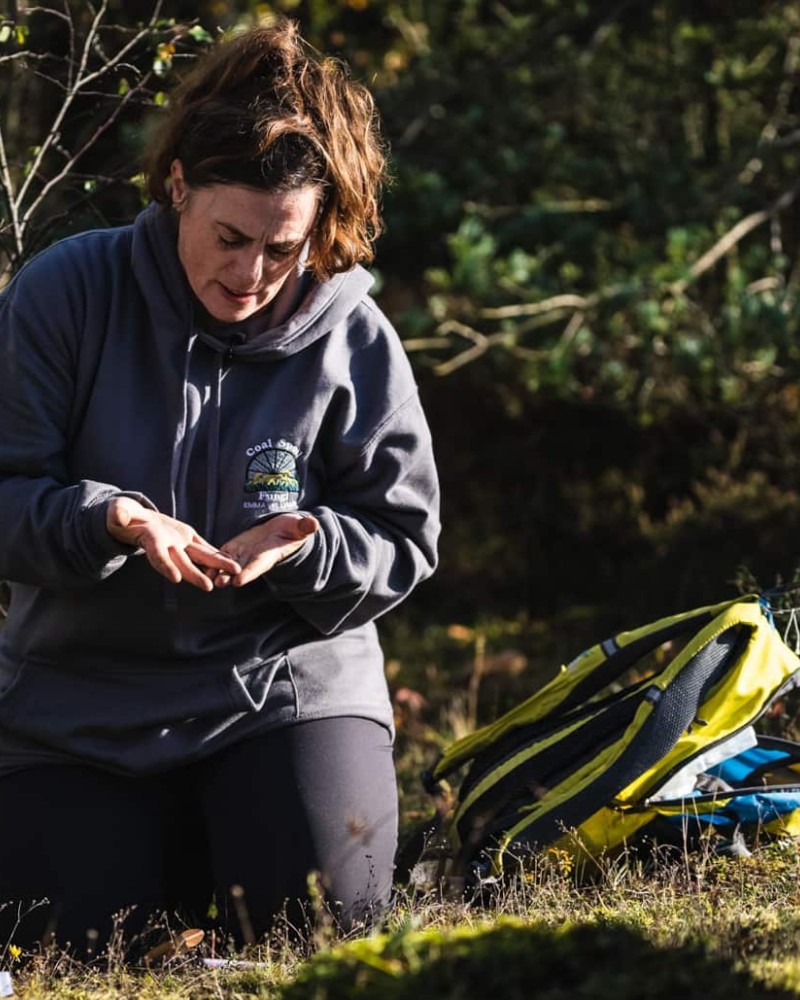
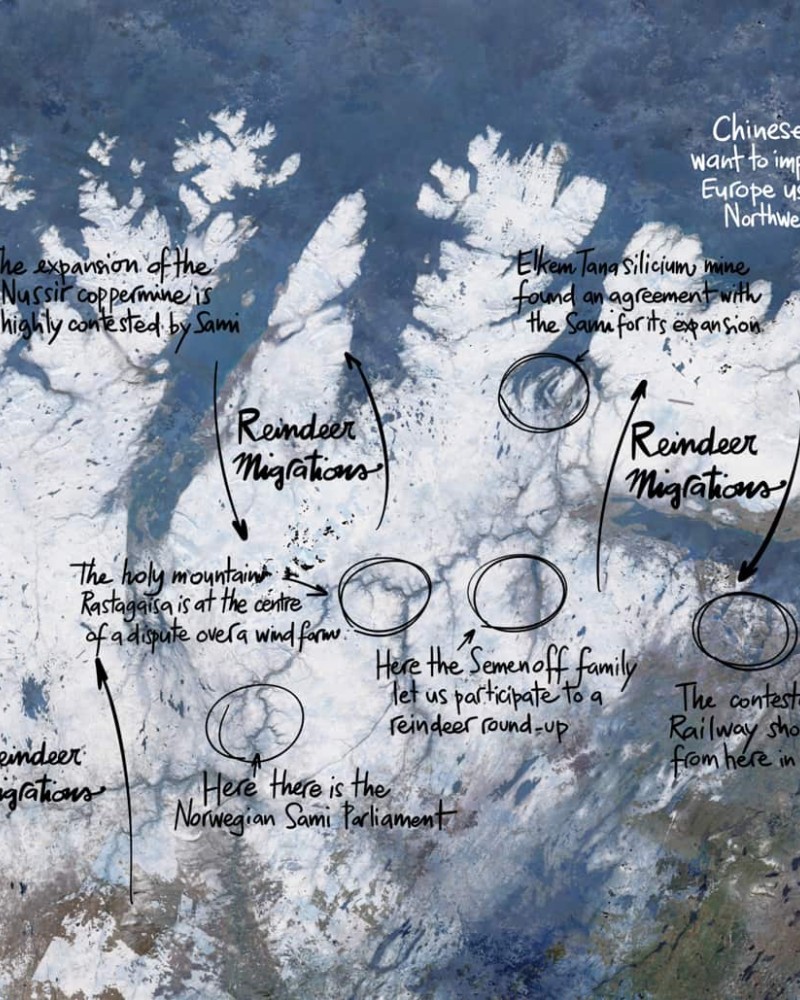
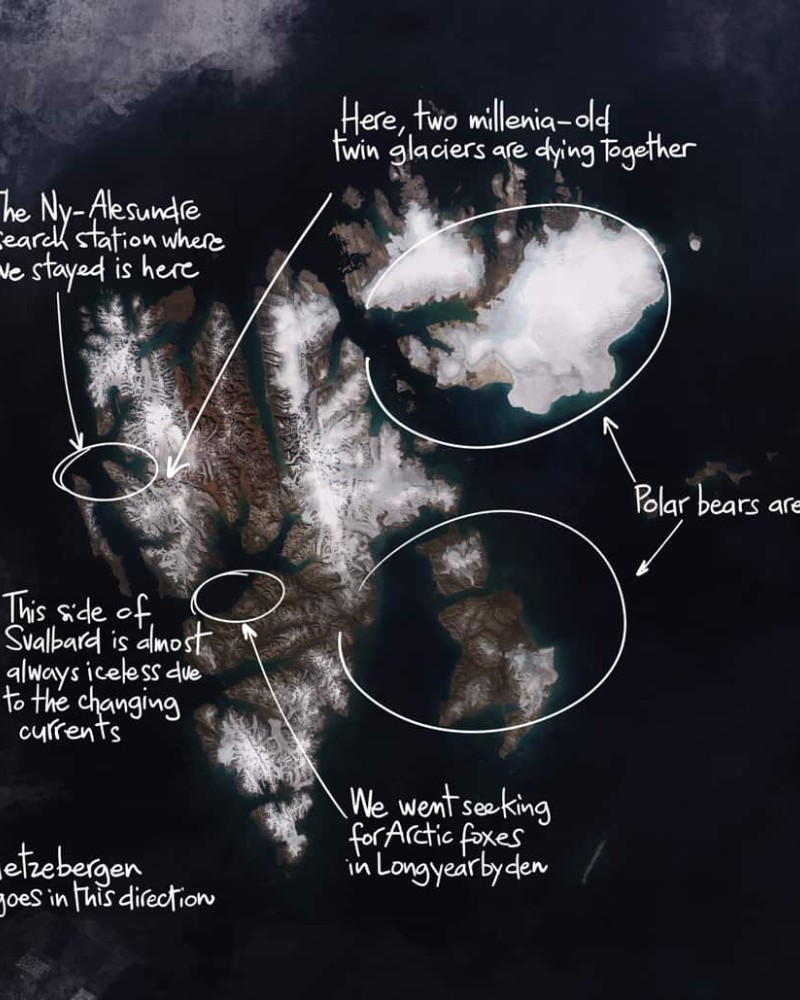
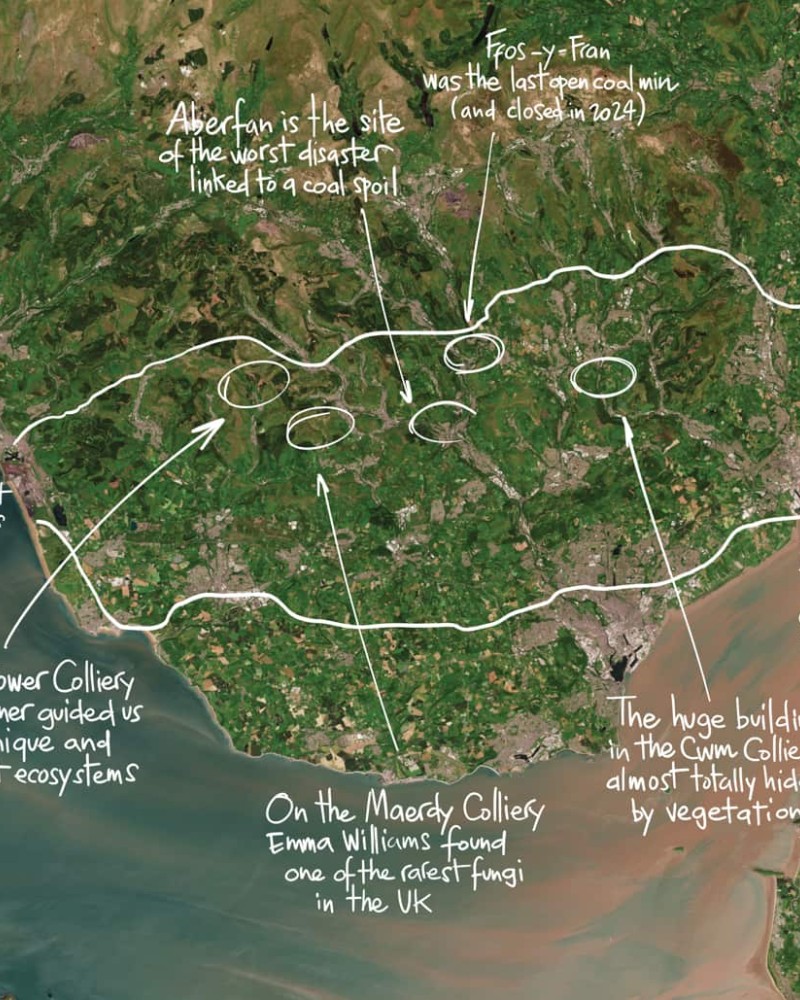
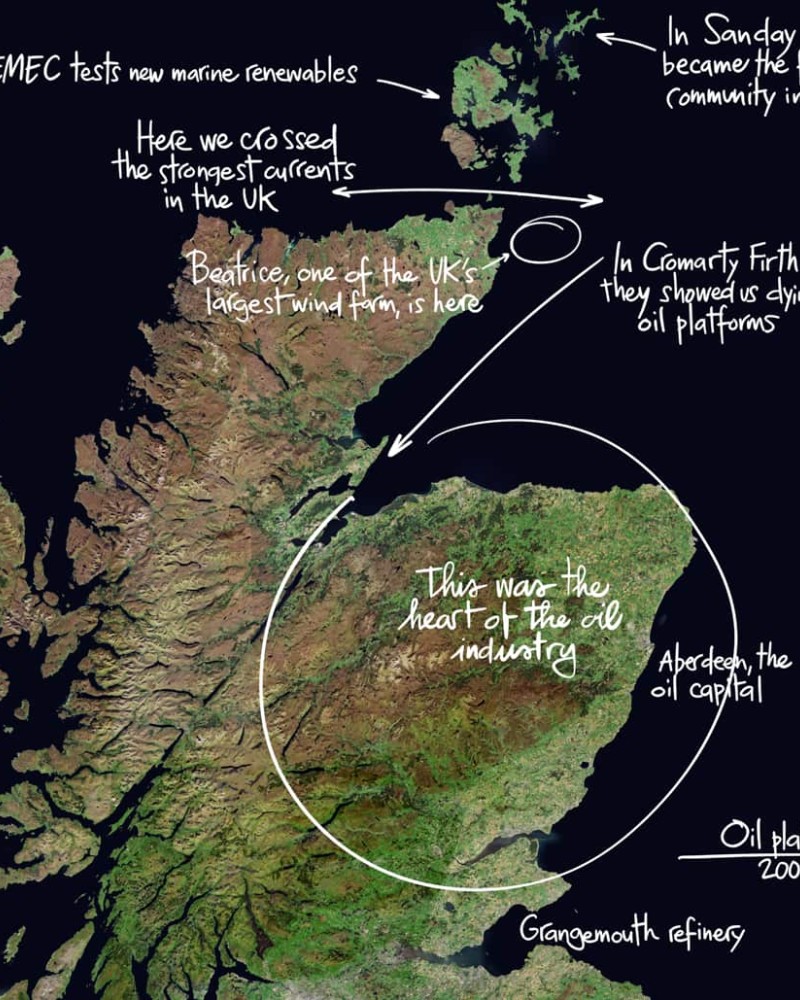
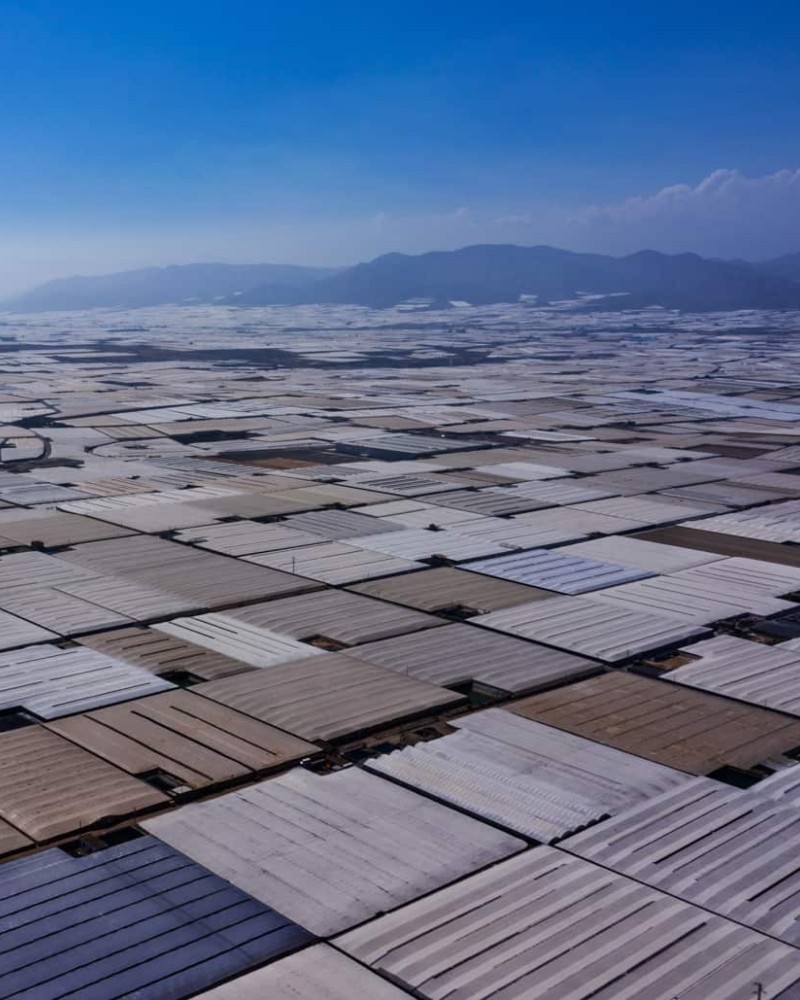
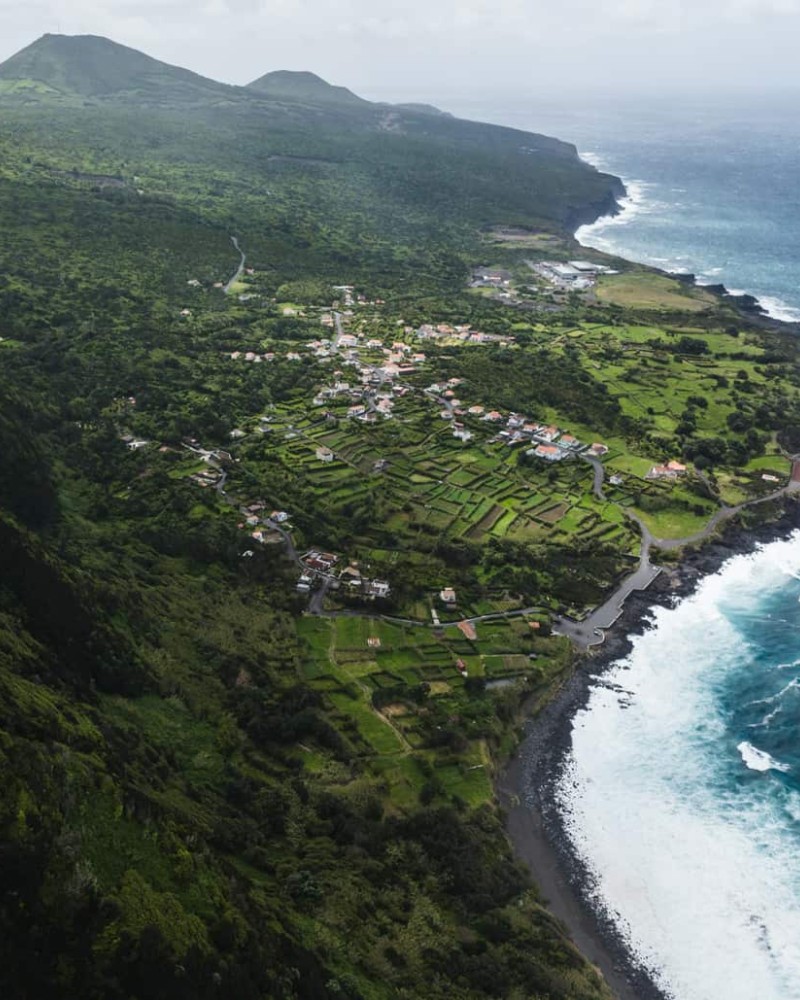
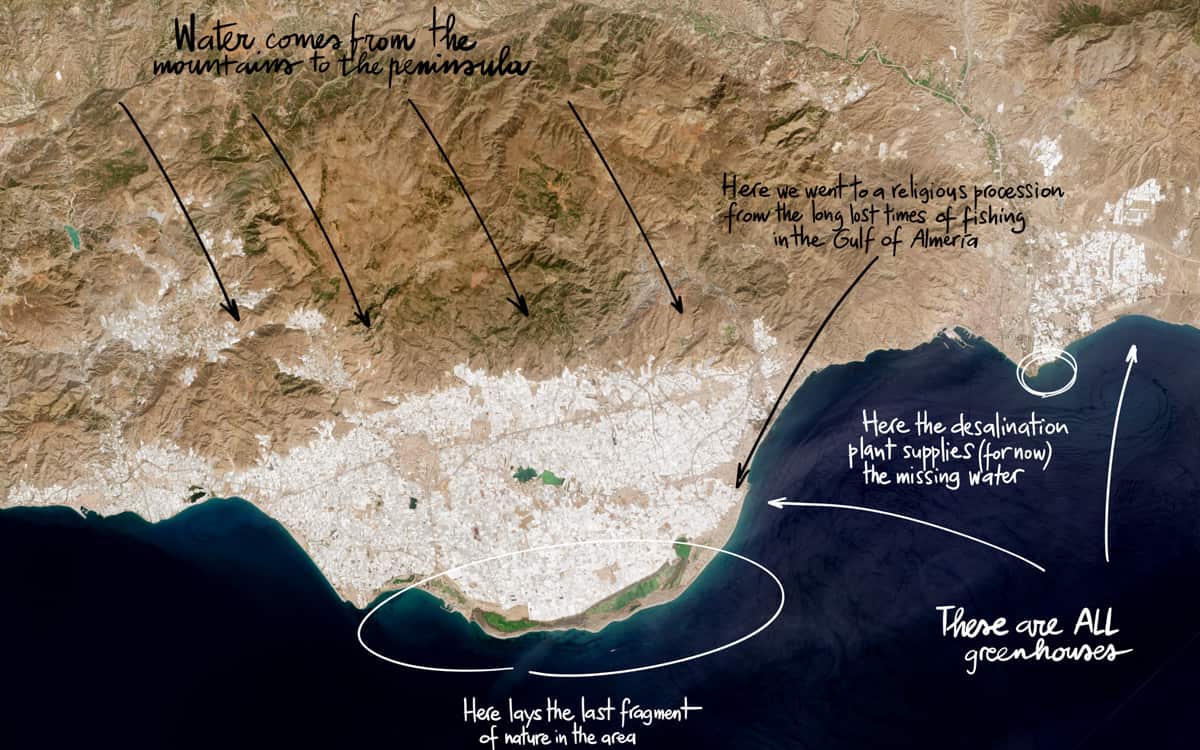
This exhibition is thus a journey from one end of our continent to the other across the changing Gulf Stream, to discover the science behind the phenomena, and the way European communities are facing and solving the major environmental, social and economic transformations imposed by climate change today. It combines the macro with the micro picture of climate change in Europe, showing the possibilities offered by satellite monitoring in the fight against the climate crisis, and its interaction with the reality experienced on the ground by Europeans everyday.
Indeed, ESA Earth Observation missions, including the ones from the EU Programme Copernicus, provide stunning images and precious information to monitor our planet and understand the impacts of climate change.
A tale of humanity and science, to show how we can all fight, and win, the climate crisis.