

Climate change
Climate change
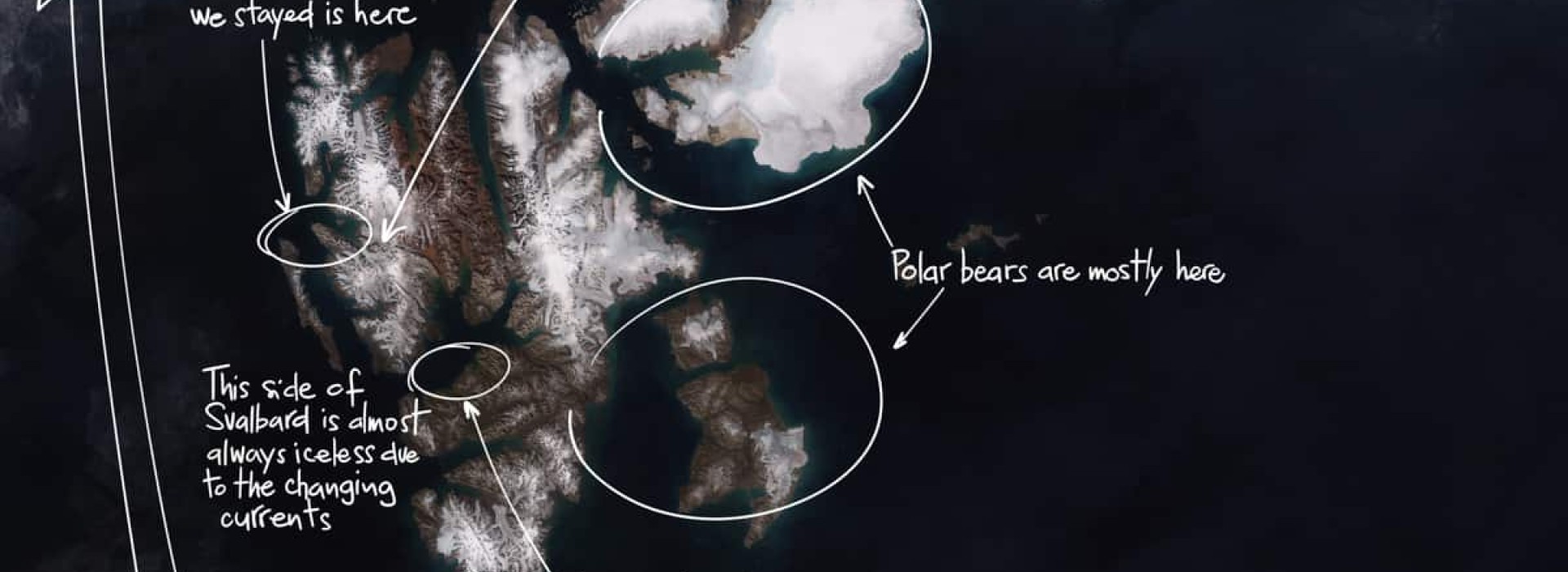
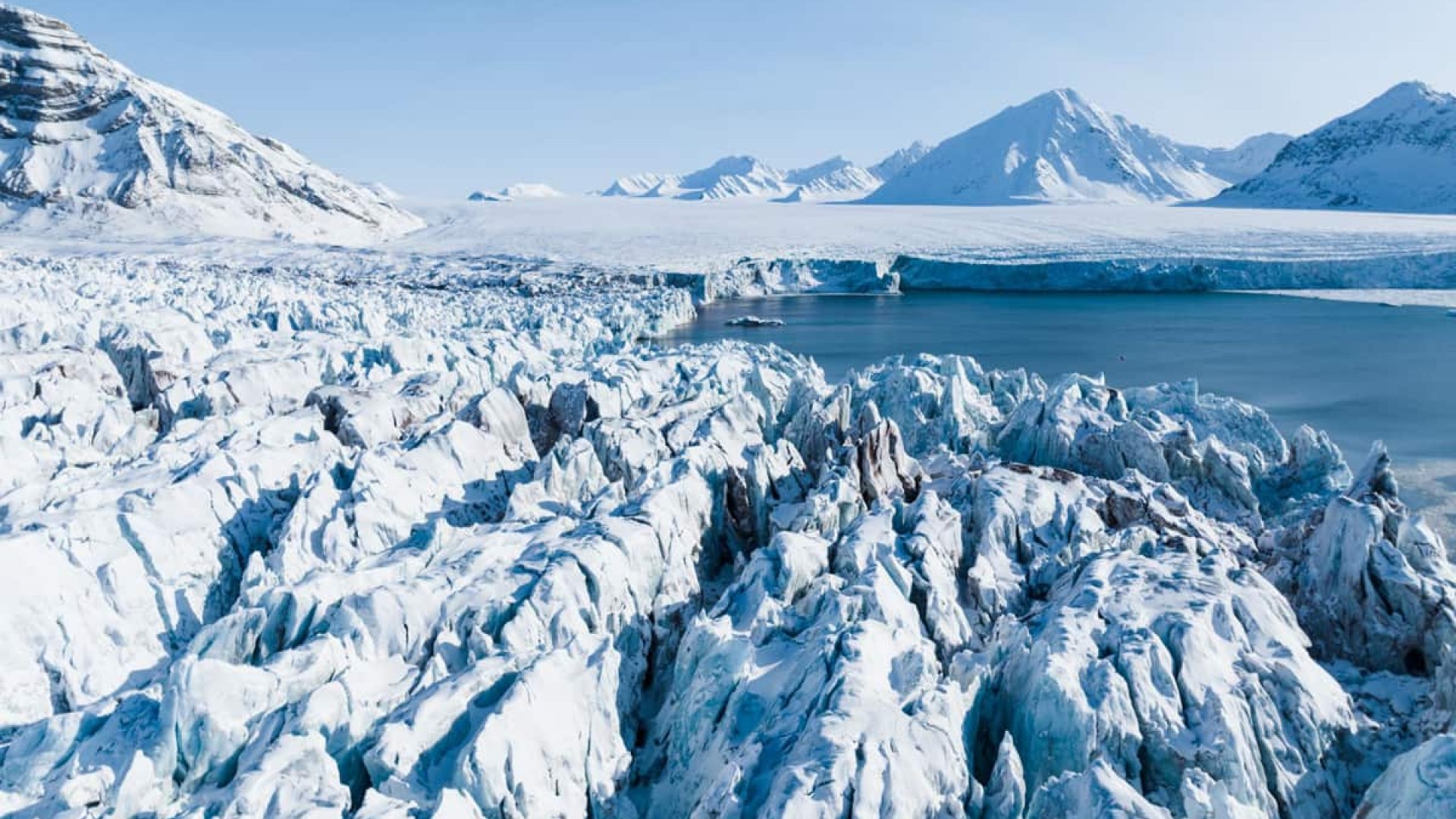
The Arctic is where you can see climate change with your own eyes. It is warming at a rate from two to six times the rest of the world, and changes in the currents are already evident up here – half of fjords around Svalbard is now iceless during the winter because of this. And yet, changes are not touching the landscape alone, but they are threatening the very soul of the Arctic.
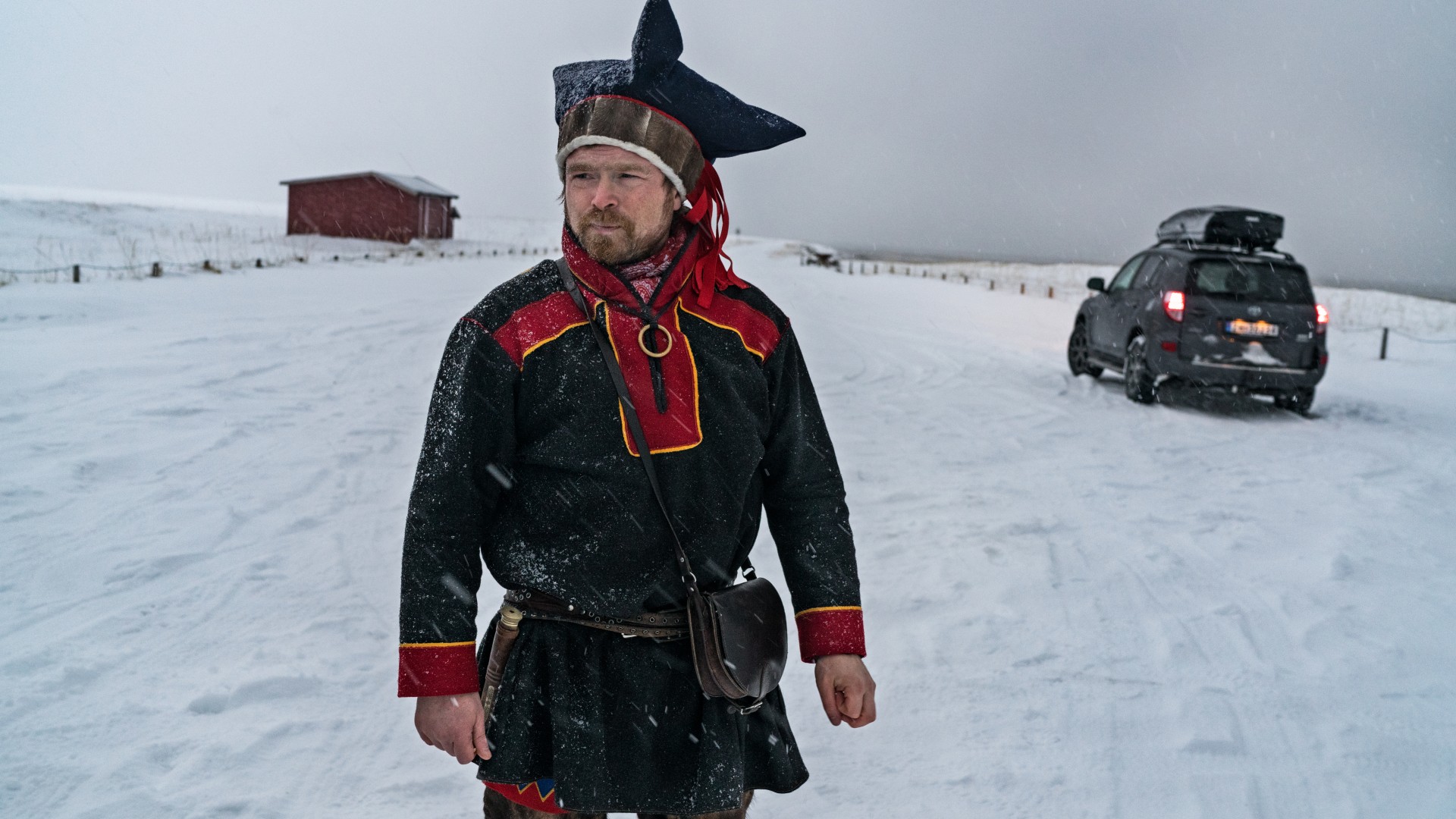
The Sami, the last indigenous people of Europe, are facing the worst. As the ice melts, the opening of new infrastructures could threaten their thousand-years old tradition that decades of colonisation already undermined. Coexistence is possible and many projects have successfully included the indigenous perspective, but many others can represent an existential threat to Sami culture.
Yet, this rapid change holds the key to understand the climate crisis, since the Arctic’s present will be soon Europe’s (and the world’s future). This is the mission of the researchers at the Ny-Ålesund research station in Svalbard: one that is crucial for the survival of our continent as we know it.
Sàpmi
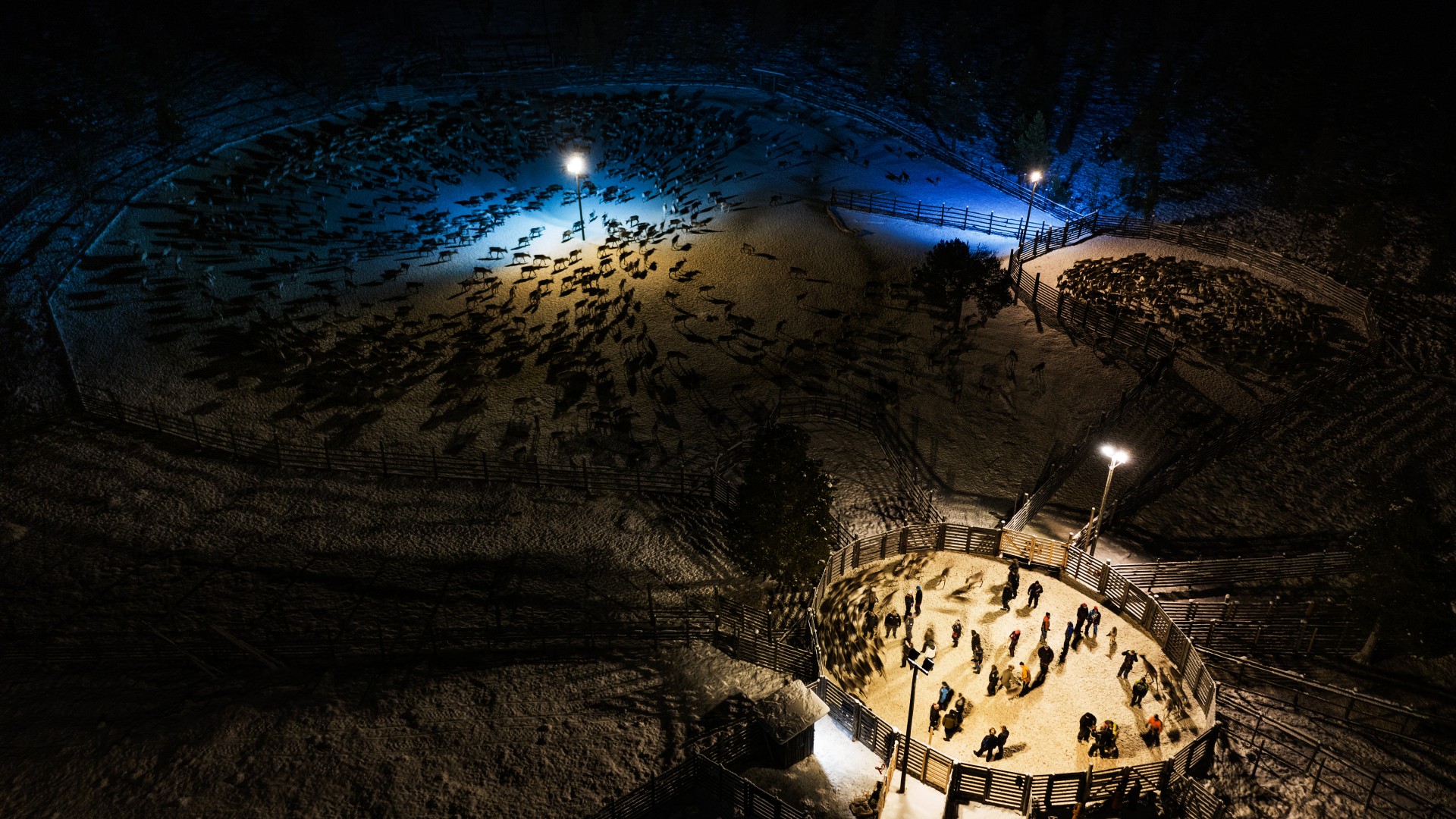
We did not expect to end up being surrounded by thousands of reindeer in the middle of their winter transhumance to understand the climate crisis, but the Arctic is a place with its own ways, and so are the Sami. Their culture has been maintained in the paths crossed by reindeer herders for thousands of years, which projects such as the Arctic Railway can suddenly, and irremediably, cancel. And yet, the collaboration with developers can lead to acceptable compromises in an Arctic which has now already changed forever. Sàpmi, the true name Sami hold for Lapland, is where some of the most ancient cultures of Europe are at the forefront of the climate crisis.
Svalbard
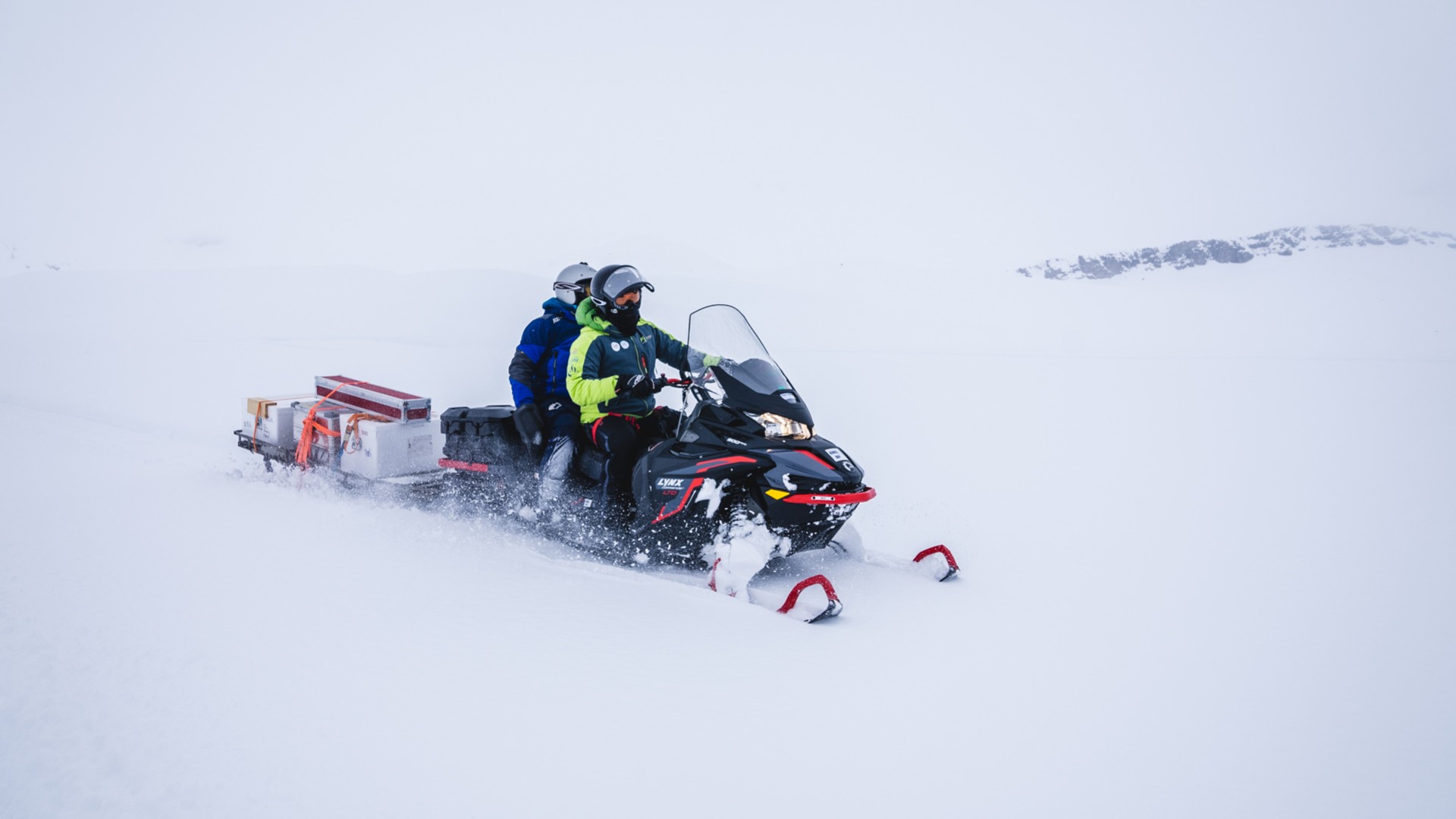
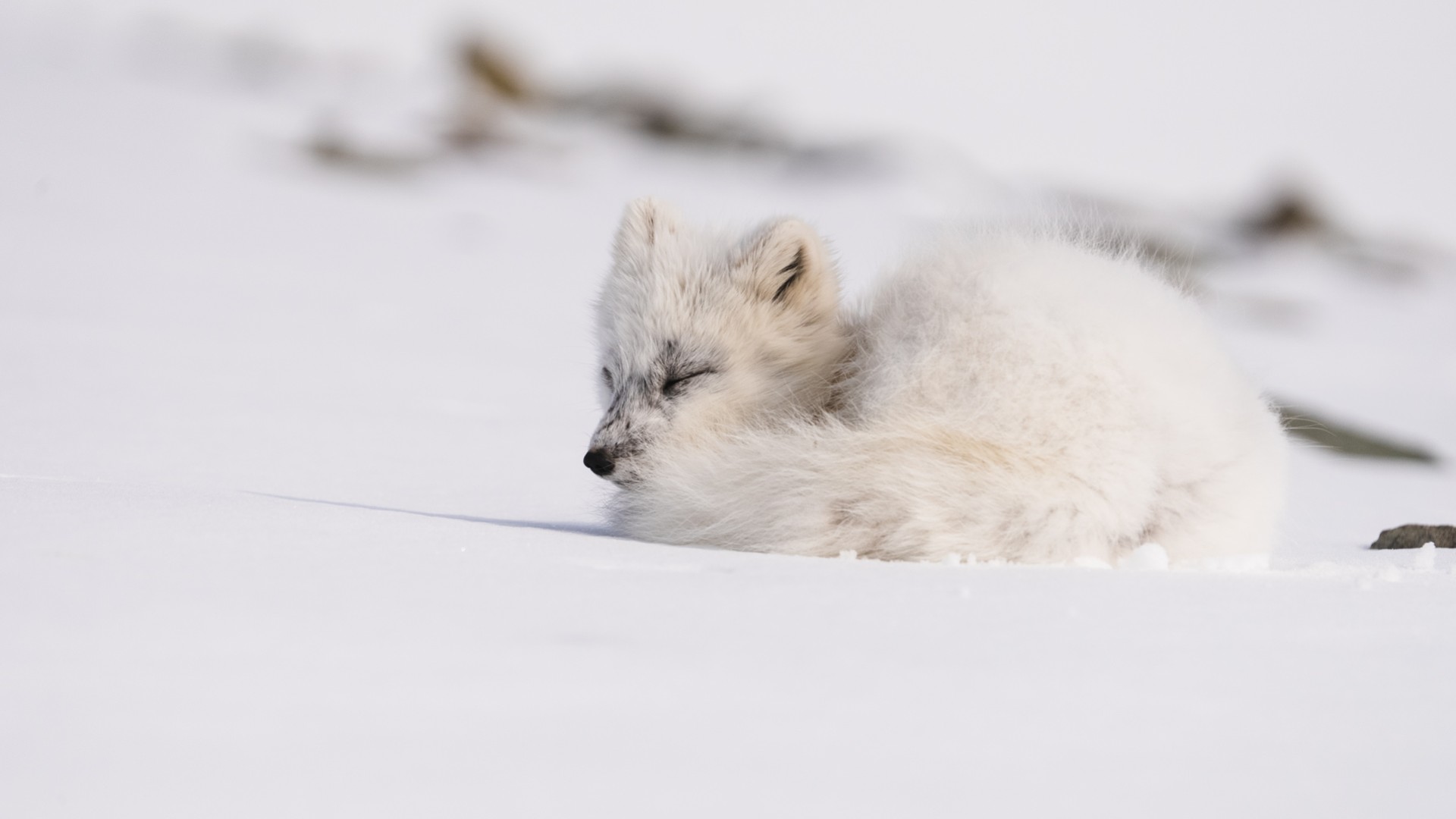
For an Italian, the Ny-Ålesund research station weirdly feels a bit like home: from here the scientist Umberto Nobile flew twice to the North Pole, and researchers like Andrea Spolaor and Federico Scoto from the Italian National Research Council keep up this old tradition. They focus on analysing glaciers and their evolution in Svalbard, but their work is directly connected to what is happening in the rest of the world. They know that Svalbard is changing dramatically and much will be lost in the next years, but they are positive, as understanding this change will help save much more. There are no roads and we are surrounded by so much snow the horizon looks incredibly distant. And yet, I have never felt so connected to the rest of the world.